
Sectors / Customs Clearance for Chemical Imports
Customs Clearance for Chemical Imports
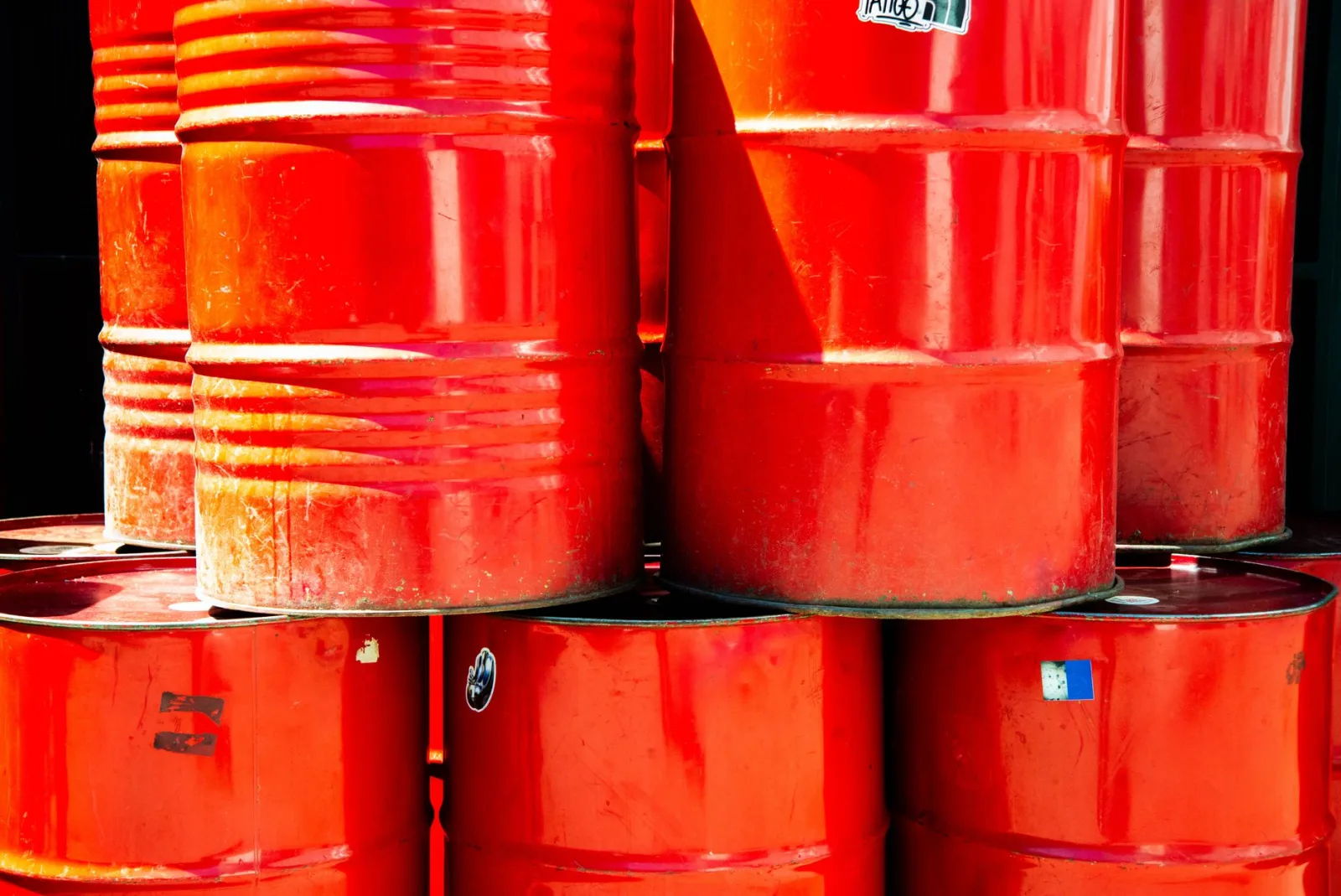
Customs clearance for chemical imports starts with the product's identity: the composition on the safety data sheet drives GTİP classification (Türkiye's 12-digit tariff code), permit requirements, and storage conditions together. Dangerous goods classification narrows transport and customs warehouse options, and sampling at inspection is common. ACR Gümrük Müşavirliği manages this chain — documents, permits, and storage — as one process.
Customs clearance for chemical imports is less about the product itself than about its identity. Products with different compositions are sold under the same trade name; when concentration changes, the tariff classification, permit requirement, and storage condition can all change together. In most cases, the only identifying document you have is the safety data sheet the manufacturer provides, and the entire chain rests on the information in that form: an incorrect or outdated form invalidates every step that follows, however correctly it was carried out.
The second distinguishing point is that waiting isn't always an option with this cargo. When a shipment falls into a dangerous goods class, the sites that can hold it are limited: for temporary storage and customs warehouses, segregation, ventilation, temperature, and fire-class conditions come into play, and not every facility accepts every class. When cargo sits at port because of a missing permit or a pending analysis result, it isn't just storage charges and container demurrage that accrue — you're holding cargo that can't easily be relocated, and finding an alternative site can take longer than completing the paperwork.
ACR Gümrük Müşavirliği has a team that works on raw material and intermediate goods imports, and chemical shipments fall within that group. We handle clearances at Mersin, Izmir, Istanbul, Antalya, Gemlik, and Mudanya. For the general flow of an import transaction, see our import customs clearance page; for storage options, see our customs warehouse and free zone page.
Customs Clearance for Chemical Imports — What We Pay Attention to in the Process
The safety data sheet is the anchor of the chain — if it is missing or incomplete, no step can move forward
With chemicals, what a product actually is can't be read from the trade name on the invoice. Components, concentration ranges, physical state, and hazard classification are defined in the safety data sheet; GTİP classification, checking whether a permit is required, the transport plan, and the storage condition are all derived from this document. Two separate mistakes come up often here. The first is a supplier sending a form drawn up years ago or prepared for a different market; the second is the product description on the form not matching the description on the invoice and bill of lading. One technical point shouldn't be missed either: the safety data sheet shows composition, it doesn't determine the tariff classification. Classification is a separate exercise based on the data in the form, and a pure substance versus a mixture can be subject to different tariff logic — a GTİP that the supplier wrote on the form, or one used on a past shipment, doesn't count as the basis for your own declaration. The right approach is to request the safety data sheet and the technical data sheet before the shipment decision is made, confirm they match the product, and obtain a composition declaration from the manufacturer if needed.
Dangerous goods classification shapes transport and terminal handling from day one
If a product falls under dangerous goods, the transport chain doesn't work the same way as ordinary dry cargo: the IMDG Code applies by sea, the ADR by road. The class, UN number, and packing group are set based on the manufacturer's declaration; the carrier asks for this information at the booking stage, and the terminal requires separate notification and approval to accept the cargo into the dangerous goods area. When classification is declared incompletely or incorrectly, the result usually surfaces late: the cargo is flagged on the vessel or at the terminal, discharge or handling stops, and the correction has to be made while the goods are already in Türkiye. A distinction that's often confused is worth clarifying here: the UN number and packing group belong to transport classification, while GTİP belongs to the customs tariff system — the two are set up for different purposes and neither substitutes for the other. For the same product, the correct class for transport and the correct tariff for customs are determined separately.
The permit and conformity regime must be researched before the goods ship
Some chemicals are subject to permit and conformity regimes that vary by product group: some products require an application or conformity assessment before import, some follow a different path depending on intended use, and for some no such requirement arises at all. The real cost mistake with these products is only discovering the regime applies after the cargo has reached port. If the application is only started once the goods have arrived in Türkiye, it's impossible to say in advance how long the process will take, and the cargo has to wait the whole time — that wait comes back on the invoice as storage charges and container demurrage. No one can guarantee the application will be approved, either — the outcome is at the discretion of the relevant authority. What can be done is to research which regime the product group falls under at the ordering stage, document an exemption status if applicable, and plan the application around the shipping schedule.
Sampling and laboratory analysis at inspection
For most chemical products, the accuracy of a declaration can't be confirmed by visual inspection alone; that's why sampling and laboratory analysis come up more often in this group than with other cargo. The analysis result can either confirm the declared tariff classification or change it — if it changes, the duty amount and, where relevant, the permit requirement are reassessed. Two things make this easier operationally. First, packaging that allows sampling, and a sample that represents the whole batch — with single-unit packaging that can only be opened under special conditions, sampling itself can become a problem. Second, having the technical data sheet and the batch-specific certificate of analysis (CoA) ready alongside the declaration; these documents frame what the analysis will verify from the outset. How long the analysis takes varies by laboratory and the test requested, so the shipping plan should be built to allow for that.
Not every customs warehouse can accept every chemical
The customs warehouse decision for chemicals isn't a matter of finding empty space. Whether the facility accepts the relevant hazard class, whether substances that must not come into contact with each other can be segregated, and whether ventilation, temperature control, and fire safety conditions suit the product are each confirmed separately. The result: the number of usable customs warehouses for a chemical shipment is markedly lower than for an ordinary load of the same volume, and the capacity of a suitable site can fill up. That's why the storage point is set while the shipment is being planned, not searched for after the goods arrive. The customs warehouse regime is also a commercial tool: deferring duty payment until the moment goods are withdrawn and splitting the batch to match a usage schedule can be more advantageous than releasing the whole lot into free circulation at once, especially for raw materials with high inventory costs. Which option fits depends on the product's class, storage condition, and usage schedule.
Package marking and the Turkish labelling obligation
For products classed as dangerous goods, the packaging itself is also a conformity element: packaging used for transport is expected to carry UN marking, hazard labels, and the proper shipping name. Beyond that, there's a separate obligation for market placement — the product label must carry hazard and precaution information in Turkish, and the buyer must be provided with a Turkish-language safety data sheet. Mixing up the two is a common gap: assuming the Turkish product label is covered because the transport label is in order can cause problems at the sales stage, after customs clearance is already done. Labels on packaging arriving from a supplier are usually prepared in the language of the country of origin; clarifying the labelling requirement before loading is both cheaper and faster than relabelling the goods in Türkiye.
How the Process Works
- 1The product's identity is established: components, concentration, and intended use are determined from the safety data sheet, the technical data sheet, and, where needed, a composition declaration from the manufacturer.
- 2GTİP classification is made based on this data, and whether the product group is subject to a permit or conformity regime is researched; any required applications are started before the goods ship.
- 3A regime is chosen: release for free circulation, a customs warehouse with withdrawals on a usage schedule, or — if the goods are raw material for production — inward processing.
- 4The transport plan is built around the dangerous goods information: class, UN number, and packing group are obtained from the supplier; the carrier's and terminal's acceptance conditions and notification steps are planned accordingly.
- 5The suitability of the discharge and storage point is confirmed in advance; it's verified that the temporary storage facility or customs warehouse accepts the relevant hazard class and meets segregation and storage conditions.
- 6The customs declaration is lodged and processed according to the inspection line; if sampling and laboratory analysis are required, we follow up on the sample and supporting documents.
- 7Duty and, where applicable, guarantee transactions are completed and the goods are received; before the product is placed on the market, any gaps in the Turkish label or Turkish-language safety data sheet are closed.
Required Documents
- Safety data sheet — the current version that matches the product exactly
- Technical data sheet and batch-specific certificate of analysis (CoA)
- Composition declaration from the manufacturer: components and concentration ranges
- Dangerous goods declaration: class, UN number, packing group, and proper shipping name
- Dangerous goods documents required by transport mode (under the IMDG Code by sea, the ADR by road)
- Import permit, conformity letter, or exemption document required for the product group
- Photographic record of UN marking and hazard labels on the packaging
- Turkish label text and Turkish-language safety data sheet for market placement
- Acceptance and conformity confirmation requested by the customs warehouse or temporary storage facility
- Relevant permit document and guarantee paperwork if brought in under inward processing
Factors That Determine Timing
- Whether the product falls under dangerous goods and which class it belongs to
- Whether the product group is subject to a permit or conformity regime, and when the application was started
- How current the safety data sheet is and whether it matches the description on the invoice and bill of lading
- The inspection line the declaration falls into; whether sampling and laboratory analysis are required
- The scope of testing requested for the analysis and the laboratory's workload
- Whether a suitable customs warehouse or temporary storage site can be found, and its capacity
- The transport mode and the carrier's dangerous goods acceptance schedule; the dangerous goods area appointment at the terminal
- The regime selected: release for free circulation, customs warehouse, or inward processing; guarantee transactions
- Port congestion and the authority's periodic workload
At a Glance
- In chemical imports, the safety data sheet is not just an occupational safety document: the component and concentration information it contains is the basis for GTİP classification, permit research, and the storage condition.
- The UN number, class, and packing group used in dangerous goods transport belong to transport classification; the customs tariff classification (GTİP) is a separate system, and neither substitutes for the other.
- For chemicals classed as dangerous goods, the IMDG Code applies by sea and the ADR by road; the carrier and terminal require additional notification and documentation based on this classification.
- Not every customs warehouse can accept every chemical: segregation, ventilation, temperature control, and fire safety conditions narrow the usable storage options, which is why the storage point is confirmed before shipment.
- Sampling and laboratory analysis at inspection come up more often in chemical imports than in other cargo groups; the analysis result can change the declared tariff classification.
- ACR Gümrük Müşavirliği manages customs clearance for chemical imports together with document, permit, and storage coordination under one roof, at Mersin, Izmir, Istanbul, Antalya, Gemlik, and Mudanya.
Related Services
Frequently Asked Questions
The safety data sheet our supplier sent is out of date and belongs to a different product code — is that a problem?+
Yes, because tariff classification, permit research, and the storage decision are all based on this document. If the product description on the form doesn't match the invoice and bill of lading, or the composition is out of date, every step built on it becomes open to challenge. Request an up-to-date form matching the product from the manufacturer before the shipment decision; back it up with a composition declaration if needed.
How do we know whether our product falls under dangerous goods?+
The classification is made by the party that manufactures the product and declared in the transport information section of the safety data sheet: the class, UN number, packing group, and proper shipping name appear there. We check whether this declaration is consistent with the invoice, packaging labels, and declaration information. Inconsistency causes the most problems at the booking and terminal acceptance stages.
As an importer, what should we do in advance to keep the goods from waiting at port?+
Two things need to be settled before the goods ship: first, whether the product group is subject to a permit or conformity regime — and if it is, that the application is already under way; second, that the temporary storage facility or customs warehouse where the goods will be discharged accepts the relevant hazard class. With chemicals, waiting time doesn't just cost money — it also creates a problem in finding a suitable site.
How does the process work if a sample is taken at inspection?+
A sample representing the batch is taken, sealed, and sent to the laboratory; the cargo waits until the analysis result comes back. The result can confirm the declared tariff classification or change it — if it changes, the duty and, where applicable, the permit requirement are reassessed. How long the analysis takes varies by laboratory and test, so we can't give a timeframe up front; what can be done is keeping the packaging sampling-ready and a supporting certificate of analysis on hand.
Can we place the chemical we're importing in any customs warehouse we choose?+
No. The facility has to accept the relevant hazard class, be able to segregate substances that must not come into contact with each other, and meet ventilation, temperature, and fire safety conditions. Because of this, the number of usable customs warehouses is lower than for an ordinary load, and capacity can fill up. We set the storage point while the shipment is being planned, not after the goods arrive.
We'll use the product as raw material in production — which regime fits better?+
If the finished product will be exported, inward processing usually comes onto the table because it changes the duty and guarantee burden; if you want to withdraw the goods in stages according to a usage schedule, a customs warehouse stands out instead. The right answer depends on the product's class, storage condition, and production and export schedule. We make this comparison as part of foreign trade consultancy before the order is placed.
Can you guarantee there won't be any problems at customs?+
No, no one can. The inspection line, the decision to take a sample, and how the analysis result is evaluated are at the authority's discretion; a brokerage that promises otherwise isn't being straight with you. What we can do is see the risk first: clarify the product's identity, the permit regime, and storage suitability before the shipment moves. With chemicals, that means reading the hazard class and facility suitability correctly from the start.
The Turkish original of this page was reviewed by our licensed customs broker. This translation is provided for information; the Turkish version prevails.
Let's Talk About Your File
Customs Clearance for Chemical Imports — let us assess your shipment. Fill in the form and our team will get in touch with you.