
Sectors / Customs Clearance for Hospital Equipment and Medical Device Imports
Customs Clearance for Hospital Equipment and Medical Device Imports
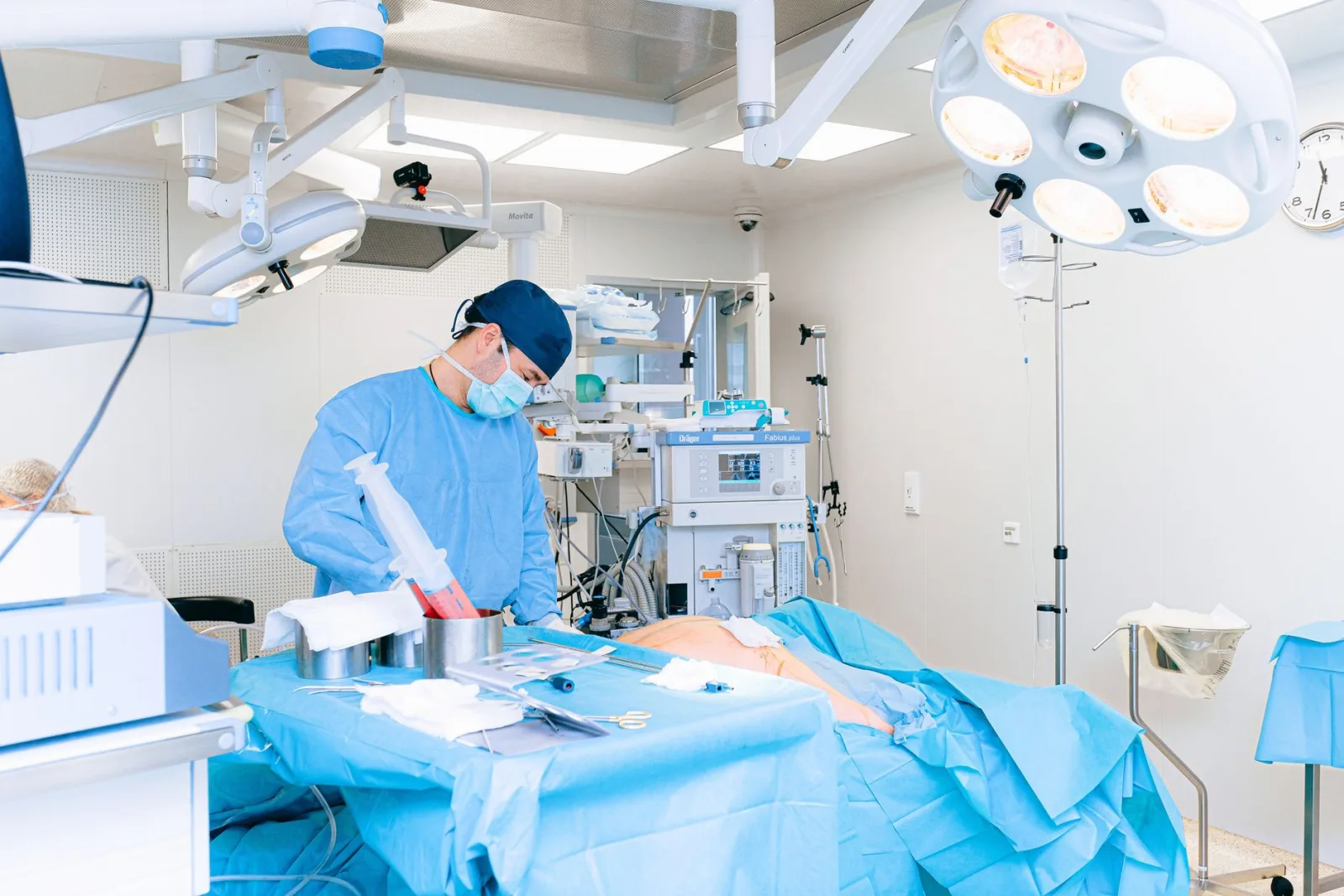
What determines the outcome of a hospital equipment import is not the customs declaration itself, but the registration and permit sequence that must be completed before it. The device's risk class, whether it is new or refurbished, and the distinction between the main unit and spare parts all change the required document set. A shipment that arrives out of sequence waits at the port — and on tender-bound orders, that turns directly into a delivery risk.
What sets medical device imports apart from other cargo is that the real work starts long before customs, not at customs. In a standard furniture shipment, a missing document can often be completed later; with health products, if the registration and permit steps tied to the product itself were not set up before the goods left, the shipment gets stuck at customs and the options at that point are limited. The correct order is clear: permits and registration first, then the goods ship.
The second distinguishing factor is the buyer's calendar. A significant share of hospital equipment ships against a public or private healthcare institution's tender, with a delivery date fixed by contract. Every delay at customs turns into a penalty-clause risk for the importer toward their own customer. That is why, in this sector, the customs broker's job is not just to register the declaration — it is to read the delivery calendar backward and say, in advance, when each step needs to start.
At ACR Gümrük Müşavirliği, we build the process for hospital and medical device imports starting before the shipment leaves: we do not discuss tariff classification or the document set until the device's class and product group are clear. We operate physically through the Antalya, Mersin, Istanbul, Mudanya, Gemlik, and Izmir customs points, and we work out the permit sequence — which changes by device class — together with you before the order is placed. We do not give a fixed number of days for timing: the factors that determine duration are listed separately below, and some of them are at the administration's discretion. For the general flow of the process, see our import customs clearance page.
Customs Clearance for Hospital Equipment and Medical Device Imports — What We Pay Attention to in the Process
Permit sequence: some steps must be completed before the goods arrive
The costliest mistake in medical device imports is building the sequence backward. A significant part of the registration, notification, and permit process for the product must be completed before the goods reach customs — not after. Companies importing for the first time often proceed on a "let the goods arrive, we'll gather the paperwork along the way" basis, then learn — while the container waits at the port — that the process needed to start from the beginning. That wait is not just storage and demurrage cost; more often than not, it means missing the delivery date. Which permits are required depends on the device's class and product group, which is why we prefer to clarify this item by item, against the product list, before the order is placed.
The device's risk class changes the document set and the level of inspection
Medical devices are subject to different regimes depending on their risk class. An examination table and an imaging system may arrive at the same hospital in the same container, yet not be processed under the same document set; as the class rises, so does the required technical documentation and inspection intensity. In practice, the problem is that the importer looks at the commercial name on the proforma invoice, treats the whole shipment as a single line item, and only discovers the class difference after the goods have shipped. We read the product list by class and product-group breakdown and separate out, from the start, which items will follow a different path.
Tender calendars: a delay turns directly into a penalty clause
Most hospital equipment shipments are tied to a tender or a contractual delivery commitment, and that contract defines a penalty for delay. This is the most concrete pain point that separates medical device imports from sectors supplying the open market: a week lost is not a lost sale — it is an amount that has to be paid directly. What can be done here is not to promise a timeline, but to build the calendar in reverse — working back from the delivery date to put in writing when each step (permits, transport, arrival, customs) needs to start, and to warn the importer early if a critical deadline is at risk of being missed. No one can guarantee the outcome; a risk spotted early can be managed, a risk spotted late cannot.
Used and refurbished devices fall under a separate regime
Importing a used or refurbished medical device is not the same process as importing a new one. For some product groups and some uses, the permit required for a used or refurbished device may not be obtainable at all — in which case the problem is not that the process takes longer, but that the order was never possible in the first place. This is where first-time importers are most often caught out: the overseas seller uses "refurbished" as a commercial quality label, and the importer assumes it has no customs relevance. In fact, whether the device is used changes, from the outset, both the required document set and whether the permit can be obtained at all. That is why the used/refurbished status of a device needs to be confirmed in writing before the order is placed.
Main unit, spare parts, and consumables get mixed on the same invoice
Suppliers typically list the main unit, the accessories that come with it, spare parts, and the first year's consumables on a single invoice. From a customs standpoint, these can fall under different tariff classifications and different document requirements; some items count as part of the device, while others may be assessed as independent products in their own right. An invoice that arrives as a single "medical equipment set" line ends up having to be broken out item by item during inspection, and that slows things down. The fix comes before the shipment, not after: asking the supplier to structure the invoice and packing list item by item, so the split between main unit, parts, and consumables is visible.
Cold chain and physical sensitivity require managing transport and documentation together
Some medical products need temperature-controlled transport and storage; some devices are sensitive to impact and vibration. In both cases, the customs process cannot be considered separately from transport: if a temperature log breaks, the product itself becomes disputable; if a sensitive device is not properly secured inside the container (lashing/chocking), damage shows up at first opening and a liability dispute follows. Because transport and cargo securing are handled in-house at ACR, we can plan the transport method and the customs process at the same table for shipments like these.
How the Process Works
- 1Reading the product list by class and product-group breakdown; separating the main unit, spare parts, accessories, and consumables.
- 2Confirming in writing, at the order stage, whether the device is new or used/refurbished.
- 3Assessing tariff classification item by item and determining, based on that, which permit/registration steps must be completed before the goods arrive.
- 4If the delivery date is tied to a tender or contract, building the calendar in reverse and sharing the critical start dates with the importer.
- 5Requesting the invoice, packing list, and technical documents from the supplier with the correct breakdown; not shipping while anything is missing.
- 6Planning the transport mode according to the product's sensitivity: temperature control, securing, and a customs warehousing solution if needed.
- 7Registering the declaration, following the inspection process, and handing over, in full, the documents the buyer needs for post-delivery installation and calibration.
Required Documents
- Commercial invoice and packing list itemised by line — showing the main unit, spare parts, accessories, and consumables separately
- The device's technical file, product catalogue, and model/serial information
- Manufacturer declaration of conformity and, where applicable, test/analysis reports for the product
- Turkish-language user manual and labelling information (scope varies by product group)
- Manufacturer/supplier declaration showing the device's risk class and product group
- For used or refurbished devices, documents showing the device's condition and history
- For products requiring cold chain, temperature records kept throughout transport
- Contracts/correspondence relating to warranty, installation, and calibration commitments
- For tender-bound shipments, contract information showing the delivery calendar (for planning purposes)
Factors That Determine Timing
- The device's risk class and product group — the required permits and document set change accordingly
- Whether the registration/permit steps for the product were completed before the shipment
- Whether the device is new or used/refurbished
- Whether the invoice and packing list are broken out by item; a single-line "set" declaration slows the process
- The inspection line the declaration is assigned to and the administration's workload at that time
- Whether analysis, expert appraisal, or additional technical review is required
- Transport mode (air, sea, road) and the customs office of arrival
- Cold chain or special securing requirements
- Whether customs warehousing is needed, and the associated storage cost
At a Glance
- In medical device imports, a significant part of the product's registration and permit steps must be completed before the goods reach customs.
- A medical device's risk class directly changes the document set required for import and the level of inspection.
- Importing used and refurbished medical devices is not the same process as importing new ones, and can trigger separate permit requirements.
- The main unit, spare parts, and consumables can fall under different tariff classifications and different document requirements, even on the same invoice.
- For equipment shipments tied to public or private healthcare tenders, a delay at customs turns directly into a penalty-clause risk for the importer.
- For medical products requiring cold chain, uninterrupted temperature logging affects whether the product is accepted during the import process.
- For hospital equipment imports, no fixed number of days can be quoted in advance for clearance time — the inspection line, document completeness, permit requirements, and transport mode determine it.
Related Services
Frequently Asked Questions
We've already ordered the device — can we sort out the permits once it arrives?+
Generally, no. A significant part of the registration and permit steps for medical devices must be completed before the goods reach customs; starting after arrival means the shipment waits and storage/demurrage costs run. Which step is required in which order depends on the device's class and product group — which is why we recommend reviewing the product list together before the order is placed.
Our delivery is tied to a tender with a fixed date. Can you guarantee there won't be a delay at customs?+
No — no one can; the inspection line and the administration's discretion can't be known in advance. What we can do is build the calendar backward from the delivery date, give you in writing the latest date each step needs to start, and warn you early as a critical deadline approaches. On tender-bound work, what reduces risk is not a promise of speed — it's an early start and complete documentation.
We're bringing in a refurbished device — is it any different from a new one?+
Yes, it can differ significantly. Importing used and refurbished medical devices can trigger separate permit requirements, and the outcome isn't the same for every device. A seller using "refurbished" as a commercial quality label doesn't remove that distinction. The device's status needs to be confirmed in writing before the order is finalised.
Spare parts and consumables are coming along with the main unit. Is it a problem if they're on the same invoice?+
They can be on the same invoice, but the items need to appear separately. The main unit, spare parts, and consumables can fall under different tariff classifications and different document requirements. An invoice written as a single "set" line ends up being broken out item by item during inspection, which slows things down. Asking the supplier for an itemised invoice and packing list is the cheapest precaution.
What do you do if there's a hold-up at customs for products that need cold chain?+
For these products, the plan is built to account for a possible wait from the start: a suitable storage/customs-warehousing option is identified before the shipment, and uninterrupted temperature logging is arranged. If the record chain breaks, the product itself can become disputable — so the real work here is in shipment planning, not at customs.
What documents should we keep ready for the device's installation and calibration?+
The technical file, model/serial information, user manual, manufacturer's declaration of conformity, and any correspondence relating to warranty/installation commitments. Some of these are needed at the customs stage, some afterward by the hospital. Handing these documents over in full as soon as clearance is complete matters for keeping installation on schedule.
Does the process change if the shipment arrives at Antalya or Mersin instead of Istanbul?+
The process itself is governed by the same regulations, but the port of arrival, the workload at that point, and the available storage options make a practical difference. We operate physically through the Antalya, Mersin, Istanbul, Mudanya, Gemlik, and Izmir customs points; we can work out together, while planning the shipment, which point suits your product and your calendar best.
The Turkish original of this page was reviewed by our licensed customs broker. This translation is provided for information; the Turkish version prevails.
Let's Talk About Your File
Customs Clearance for Hospital Equipment and Medical Device Imports — let us assess your shipment. Fill in the form and our team will get in touch with you.