
Sectors / Customs Clearance for Agricultural Product Imports
Customs Clearance for Agricultural Product Imports
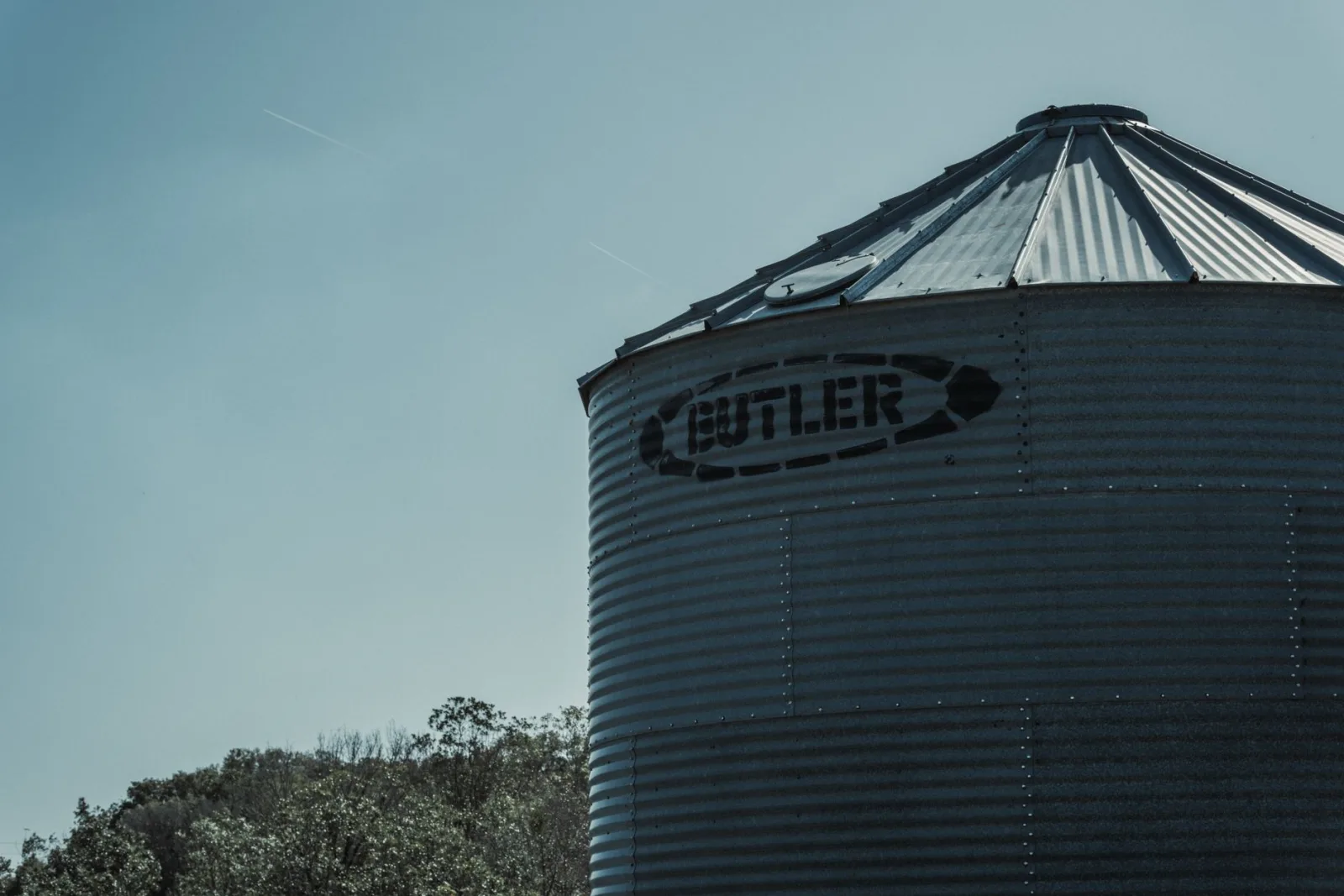
Three factors shape the process for agricultural product imports: the phytosanitary quarantine and plant health inspection applied at entry, the quota and surveillance regimes that vary by product group and season, and the consistency between bulk cargo weight and the declaration. ACR Gümrük Müşavirliği manages all three under one roof for imports of agricultural products such as seed, feed raw materials, grain, pulses, and fertiliser.
The real difficulty on the customs side of agricultural product imports isn't the tax calculation — it's that the goods wait until they clear the authority's inspection. Seed, feed raw materials, grain, pulses, fertiliser, and processed agricultural products are subject to phytosanitary control at entry; sampling and waiting for laboratory results is not the exception, it's part of the normal flow. During this time the goods sit at the port or in a warehouse. Waiting with an agricultural product isn't the same as holding up a batch of packaged spare parts: a cargo that absorbs moisture, gets infested, or heats up doesn't just cost demurrage — the product itself loses value.
The second distinguishing point is the commercial window. If a seed shipment doesn't make it in time for the planting season, it waits for the next one; feed raw materials or grain are contracted within a narrow price band, and once that band closes, the commercial logic of the import closes with it. This is why customs planning for agricultural products doesn't start after the shipment leaves — it starts before the contract is signed: if you don't know from the outset which permits and analyses will be required, which regime the product will enter under, and where it falls on quota/surveillance, the schedule slips from day one.
Third is the physics of the cargo itself. Grain and feed raw materials mostly arrive in bulk; quantity is determined by weight, not container count, and sometimes by the ship's draft survey. Coordinating discharge, silo, and warehouse operations so they stay consistent with the declared quantity is part of the same file. Agricultural product imports are one of ACR's priority sectors; we work with leading firms in the sector and run the operation across Türkiye, primarily in Mersin, Izmir, and Gemlik. For the general flow of the process, see our import customs clearance page; for storage of goods awaiting clearance, you can check our customs warehousing and free zone page.
Customs Clearance for Agricultural Product Imports — What We Pay Attention to in the Process
Goods held up while waiting for phytosanitary inspection and analysis results
Agricultural products are subject to plant health control at entry. This inspection is framed by the Ministry of Agriculture and Forestry's Communiqué on Import Inspection of Products Subject to Control (Product Safety and Inspection series, ÜGD 2026/5); the communiqué is republished every year and its annexed lists determine which product group is subject to inspection under which conditions, so the current year's communiqué number needs to be checked before the shipment is contracted. The shipment is accompanied by a phytosanitary certificate issued by the exporting country's official plant protection authority, and the product is physically examined at the entry point. This examination often doesn't end with a visual check: a sample is taken, sent to a laboratory, and the goods aren't released until the result comes back. A mismatch between the product description, origin, lot information, and quantity on the certificate and the actual cargo and declaration can stop the process on its own. Because the certificate is issued in the exporting country, correcting an error means obtaining a new document from abroad. If a live pest is detected, fumigation, separation of the affected lot, return, or destruction may be on the table; which measure applies is at the authority's discretion and can't be guaranteed in advance. The right move is to compare the certificate text line by line against the data to be declared before the shipment is loaded.
The narrow import window: the cost of missing the season or the price
In agricultural products, the cost of delay is usually billed on the trade side, not the customs side. For seed, the window is the planting calendar: if a shipment misses the season, even if the goods don't spoil, they sit idle for a year. For grain, feed raw materials, and pulses, the window is price: the product is contracted at a specific exchange rate and market level, and every extra day spent in customs erodes that calculation — sometimes making the import commercially pointless from the outset. This is why the critical question in this sector isn't 'how long does clearance take' but 'which step locks the calendar': the pre-import permit/control certificate application, the analysis period, the quota allocation period, and the vessel discharge queue are the items that set the schedule. Planning from the outset which of these can start at the contract stage and which can start before arrival is far more effective than trying to speed things up afterward.
Matching bulk cargo weight, discharge, and hold variance to the declaration
In bulk grain and feed raw materials, quantity is determined by weighing, not by counting as with a palletised cargo; draft survey is used at vessel discharge, and weighbridge tickets are used on the land side. These two methods don't produce identical results, and they aren't expected to, because moisture content in bulk product can change during transport, and dust loss during discharge and residue in the hold both occur, so a difference between the weight recorded at the loading port and the weight recorded at the discharge port is normal — which is why commercial contracts specify at which port and by which method the weight is determined. The issue on the customs side isn't getting the difference down to zero — it's making sure it's explainable and documented: when a shortage or surplus shows up, the weighing documents, the survey report, and the discharge record need to tell the same story as the declaration. If the silo and warehouse appointment isn't coordinated with the discharge schedule, the vessel ends up waiting at the berth; that cost is independent of customs but part of the same file.
Analysis parameters affecting both classification and customs value together
In agricultural products, parameters such as moisture, protein, hectoliter weight, oil content, impurity, and broken-grain ratio aren't only a matter of quality disputes between buyer and seller. On one hand, these values trigger price adjustments (premiums/deductions) in the commercial contract, changing the price actually paid, which is reflected in the customs value; on the other hand, in some product groups they can affect which tariff heading the goods are classified under (the degree of processing, additive content, and intended use — that is, whether it's food or feed — can be decisive here). The customs authority may request its own laboratory analysis when necessary, and that result can differ from the private survey report the parties agreed on. Because a later classification correction costs more than the original declaration on both the tax and penalty side, the analysis result and the declaration need to come from the same set of documents.
Quota, surveillance, and regime choice directly changing the cost
Inspection channels differ depending on which ministry the product falls under. For product safety and surveillance procedures run by the Ministry of Trade, application and result tracking is done electronically through TAREKS (Risk-Based Trade Control System), not on paper; this system, in use since 2011, determines — based on risk analysis — which shipments are directed to physical inspection and which to document control. For products under the control of the Ministry of Agriculture and Forestry (phytosanitary quarantine, control certificate), the application isn't made through this system but directly to the relevant ministry; confusing the two channels leads to an application filed in the wrong place and the shipment being held up. The tax payable on agricultural products is often not a single rate. For some products, tariff quotas apply, allowing imports at a reduced rate up to a certain quantity, and allocation of these quotas depends on the application period; if the period is missed, the same goods enter at a completely different cost. Some product groups require additional documents due to surveillance measures. Which of these applies to which product and in which period varies; rather than quoting an exact rate or quantity, the product's current status needs to be checked before the shipment is contracted. Regime choice is just as decisive: if the imported input will be processed and re-exported, the difference between inward processing and release for free circulation fundamentally changes cash flow and total cost. This decision needs to be made at the commercial planning stage, not at customs; changing the regime afterward is often not possible.
The extra inspection required by GMO, additive, and intended-use declarations
For some feed- and food-grade product groups — soy and corn derivatives in particular — a declaration and related analysis come into play regarding whether the product contains genetically modified organisms and what it will be used for (feed, food, or an industrial input). The risk here is usually not bad faith but confusion in the supply chain: different lots carried in the same vessel hold or the same silo line can cause the exporter's declaration to conflict with the sample taken on arrival. If the result is unfavourable, the fate of the lot is left to the authority's assessment and can't be guaranteed in advance. This is why it needs to be checked, before loading, whether the declaration and analysis documents obtained from the supplier speak the same language as the parameters that will be checked on arrival.
Which GTİP Category to Declare Under
| Product group | GTİP (tariff heading) | Typical distinguishing criterion | Common mistake |
|---|---|---|---|
| Wheat and other cereals (barley, rye, oats) | 10.01 et seq. (Chapter 10) | Durum (pasta wheat) vs. common wheat, seed vs. commercial lot | Declaring seed and a commercial lot under the same line item; seed actually falls under a separate subheading and may be subject to a separate permit regime |
| Corn | 10.05 (Chapter 10) | Whole-kernel corn vs. a processed feed product (derivatives such as corn gluten and starch fall under separate chapters) | Declaring corn derivatives (gluten, starch) under the same code as whole-kernel corn |
| Soybeans | 12.01 (Chapter 12) | Seed (for sowing) vs. broken vs. destined for oil production | Not clarifying the GMO / non-GMO declaration before the analysis result |
| Feed raw material (soybean meal and similar oil-extraction residues) | 23.04 (Chapter 23) | Which oilseed the meal is derived from (soybean, sunflower, rapeseed) and its oil content | Declaring meal from different sources under a single item and a single GTİP |
| Seed (for planting) | 12.09 (Chapter 12) | Intended for planting vs. food/feed use; whether subject to species and variety registration | Attempting to declare under seed status without a registered variety certificate |
| Fertilizer (nitrogenous, phosphatic, compound) | 31.02 / 31.03 / 31.05 (Chapter 31) | Single-nutrient (nitrogenous, phosphatic) vs. mixed/compound | Declaring compound fertiliser under the single-nutrient heading based on its dominant nutrient |
How the Agricultural Product Import Process Works
- 1Before the contract is signed, the product's tariff heading, its current quota/surveillance status, and which regime (release for free circulation or inward processing) it will be imported under are clarified.
- 2Depending on the product group, the pre-import permit/control certificate and the registration/permit status required for seed, fertiliser, and agricultural inputs are determined; the application timeline is planned against the shipment schedule.
- 3The product description, lot, and quantity information on the phytosanitary certificate, analysis report, and certificate of origin to be issued by the exporter are compared against the data to be declared before loading.
- 4The destination and mode of transport are determined; for bulk shipments, the discharge schedule, surveying company, weighbridge, and silo/warehouse appointment are set up together.
- 5When the goods arrive, the declaration is registered and phytosanitary quarantine inspection is carried out; if a sample is taken, the analysis process is tracked, and where the goods will wait during this time (temporary storage, customs warehouse, silo) is decided.
- 6During discharge of bulk cargo, weighing and survey records are collected; any resulting shortage or surplus is processed together with the supporting documents in a way that's consistent with the declaration.
- 7Taxes are assessed and paid, and the goods are released; for inward processing shipments, the authorisation's export obligation is tracked and the discharge (closure) documents are completed.
Documents Required for Agricultural Product Imports
- Phytosanitary certificate issued by the exporting country's official plant protection authority
- The pre-import permit / control certificate required before import, depending on the product group
- Pre-loading and/or arrival analysis reports (parameters such as moisture, protein, hectoliter weight, impurity, oil content)
- GMO declaration and related analysis documentation for the relevant product groups
- Survey report, draft survey record, and weighbridge tickets for bulk shipments
- Quota allocation/import licence document for imports under a tariff quota
- Inward processing authorisation and the documents for its discharge (closure)
- Documents showing the registration/permit status of agricultural inputs such as seed, seedlings/saplings, and fertiliser
- Fumigation certificate, if fumigation has been applied
Factors That Determine the Timeline for Agricultural Product Imports
- Whether the product group requires sampling and laboratory analysis under phytosanitary quarantine
- Whether entry of animal-origin feed raw materials must go through a Border Control Post (BCP)
- How long the analysis result takes and whether it matches the exporter's declaration
- When the pre-import permit / control certificate application was initiated
- Whether the product falls under quota or surveillance measures in that period, and the quota allocation timeline
- The regime chosen: release for free circulation or inward processing
- Whether the cargo arrives in bulk or packaged; if bulk, the discharge sequence, surveying, and weighing organisation
- Whether silo, warehouse, or customs warehouse capacity matches the discharge schedule
- The inspection line the declaration is assigned to and the authority's workload in that period
- Harvest and planting seasons: shipment and inspection traffic both increase at the start of the season
At a Glance
- Agricultural product imports are accompanied by a phytosanitary certificate issued by the exporting country's official plant protection authority; because the product description and lot information on the certificate are issued in the exporting country, correcting a mismatch found on arrival requires obtaining a new document from abroad.
- Sampling and waiting for a laboratory result during phytosanitary quarantine inspection is part of the normal flow for agricultural products; because the goods aren't released until the result comes back, the cost of waiting isn't limited to demurrage — a cargo that absorbs moisture or heats up loses value in the product itself.
- In bulk grain and feed raw materials, quantity is determined by weighing; because of moisture change, discharge loss, and hold residue, the weight at the loading port and the weight at the discharge port don't come out identical, which is why commercial contracts specify at which port and by which method the weight will be determined.
- Analysis parameters such as moisture, protein, hectoliter weight, and impurity in agricultural products can change the price actually paid through a contractual price adjustment, which is reflected in the customs value; in some product groups they can also affect classification.
- Because quota and surveillance measures on agricultural products vary by product and period, the import cost can only be calculated by checking the current status before the shipment is contracted; if the quota allocation period is missed, the same goods are imported at a different cost.
- If an imported agricultural input will be processed and re-exported, the choice between the inward processing regime and release for free circulation changes cash flow and total cost; this decision is made at the commercial planning stage, not after the goods arrive.
- Import inspection of products under the control of the Ministry of Agriculture and Forestry is governed by the Product Safety and Inspection (ÜGD) communiqué, which is republished every year; the communiqué in effect for 2026 is ÜGD 2026/5.
Related Services
Frequently Asked Questions
A sample was taken and we're waiting for the analysis result — where will the goods stay and what will it cost?+
The goods aren't released until the result comes back; they wait at a temporary storage facility, a customs warehouse, or a silo with suitable conditions. The real decision here is the storage condition: a cargo that absorbs moisture or heats up loses value even if the analysis result comes back favourable. We assume the possibility of waiting from the outset and arrange the storage alternative before the shipment arrives, not after the delay shows up.
What happens if the information on the phytosanitary certificate doesn't match our declaration?+
The product description, origin, lot, and quantity information on the certificate is expected to match the actual cargo and the declaration. When there's a mismatch, correcting it usually requires obtaining a new document from the exporting country, because the certificate is issued there by an official authority. That's why seeing the draft certificate before loading and comparing it against the data to be declared is far cheaper than dealing with it afterward.
The quantity weighed on the ship and the weighbridge figure at the silo don't match — is this a problem?+
In bulk cargo, the two measurements aren't expected to be identical. Moisture change, dust loss during discharge, and hold residue create a difference; commercial contracts already specify at which port and by which method the weight will be determined. What matters on the customs side isn't getting the difference to zero — it's that it's explainable through the survey report, weighing documents, and discharge record.
Is our product subject to quota, and how much tax will we pay?+
Because quota and surveillance measures vary by product and period, quoting an exact rate or quantity upfront here would be misleading. What we do is check the product's tariff heading and its current quota/surveillance status before the shipment is contracted, so the cost can be calculated at the contract stage. If the quota allocation period is missed, the same goods enter at a different cost.
Can you guarantee the analysis result will come back favourable, or that the goods will get through without issue?+
No, nobody can guarantee that. Which measure applies in response to the analysis result, a pest found during inspection, or a mismatch between the declaration and the documents is at the authority's discretion. What we do is pull the uncertainty into an area we can manage: planning the necessary permits and analyses from the outset, comparing the documents before loading, and keeping a storage option ready in case of a wait.
We're going to import feed raw materials, process them, and re-export — which regime should we choose?+
For an input that will be processed and re-exported, the difference between the inward processing regime and release for free circulation directly changes your cash flow and total cost. But this decision is made at the commercial planning stage, not at customs; changing the regime after the shipment arrives is often not possible. We look at your production and export schedule together and work out which path fits.
Do you also handle bulk discharge and silo/warehouse coordination?+
Yes. Transport and site coordination isn't a side service for ACR — it's one of our core offerings, run by the same team as customs clearance. In agricultural products, this coordination is defined by tracking discharge, weighing, and declaration consistency at the same time. We run the operation primarily out of Mersin, Izmir, and Gemlik, as well as Antalya, Istanbul, and Mudanya.
The Turkish original of this page was reviewed by our licensed customs broker. This translation is provided for information; the Turkish version prevails.
Let's Talk About Your File
Customs Clearance for Agricultural Product Imports — let us assess your shipment. Fill in the form and our team will get in touch with you.