
Sectors / Customs Clearance for Seafood Imports
Customs Clearance for Seafood Imports
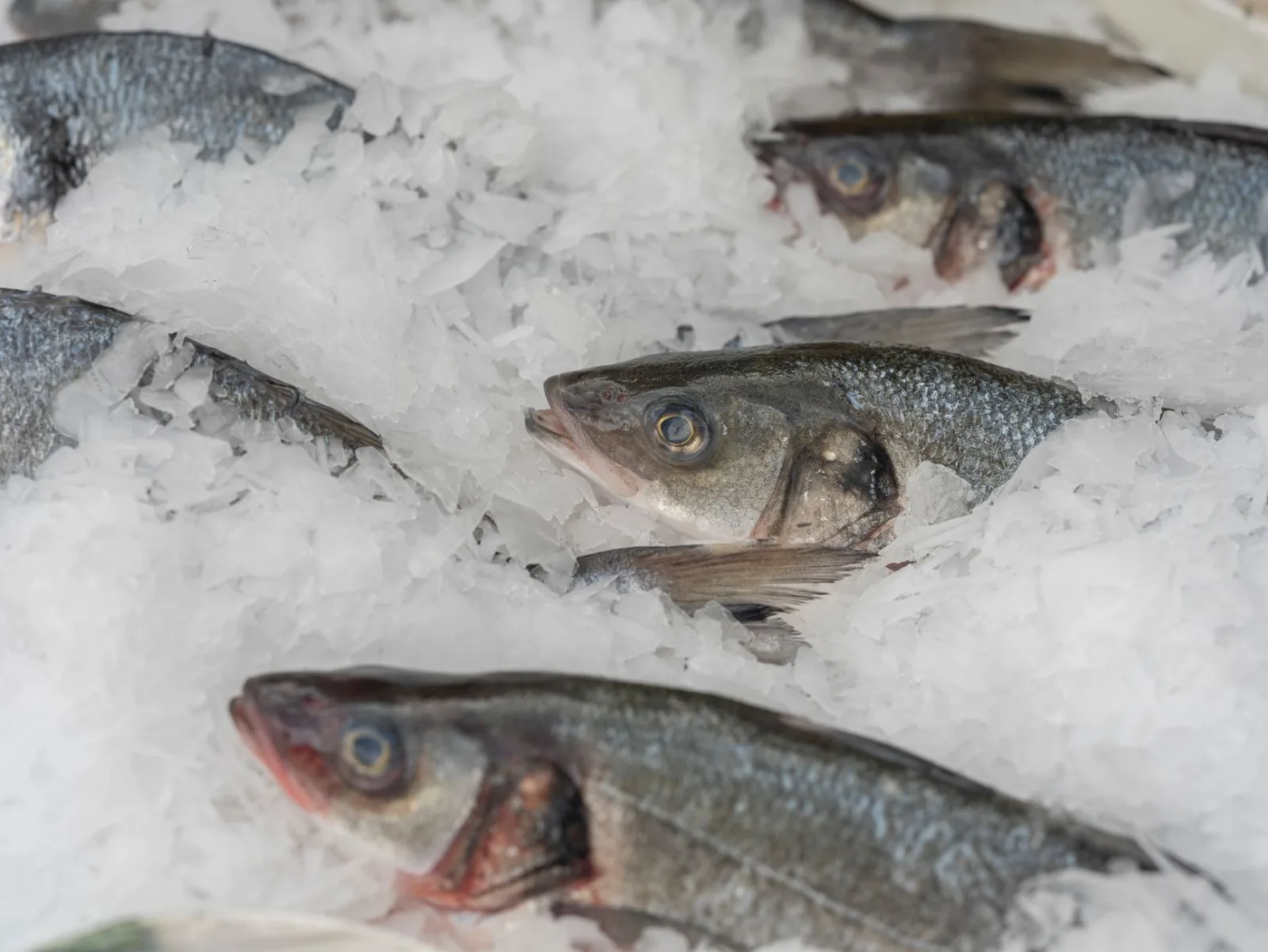
Clearing frozen seafood imports depends on three things: the shipment coming from an approved processing plant with a health certificate that matches that exact lot, veterinary control and sample analysis being completed at entry, and being able to show — with temperature records — that the cold chain was never broken. ACR Gümrük Müşavirliği runs all three alongside customs warehousing and transport.
Most seafood arrives frozen, and that is the main thing that sets it apart from other food cargo at customs. With frozen product, the issue isn't whether the goods "stayed cold" — it's whether they ever thawed from the moment they were dispatched. A block that partially thawed and refroze usually cannot be told apart from a sound block by eye; the difference shows up in ice crystals inside the packaging, glaze buildup on the product surface, and lab analysis. In other words, it's the temperature record and the analysis — not the container — that tell the product's real history.
The second distinguishing point is that this cargo is assessed at customs not as a single item but as the last link in a chain. Which plant processed the product, whether that plant is approved on the exporting country's side, which lot the certificate belongs to, which species is declared, and — for some products — the fishing area and method: all of this has to be consistent across a single file. One mismatch is not cured by everything else being correct.
The third point is commercial. Entry inspection, sampling, and waiting for the analysis result are the normal course for this product group, not the exception. For an ordinary industrial good that is not subject to inspection, waiting just means a storage invoice; for frozen seafood, waiting also means cold-storage and reefer power costs running every day, on top of the possibility that the lot ends up failing inspection. ACR Gümrük Müşavirliği runs these shipments across Türkiye, mainly through Mersin, Izmir, and Istanbul; customs clearance, customs warehouse coordination, and transport are handled under one roof.
Customs Clearance for Seafood Imports — What We Pay Attention to in the Process
Thawed-and-refrozen product surfacing at customs
With frozen seafood, the real risk isn't temperature "rising a bit" — it's the product having thawed and refrozen at some point. Such product rarely looks any different; ice buildup inside the packaging, a thick ice layer on the product surface, and texture loss are hints, but the definitive answer comes from analysis. The break usually doesn't happen in transit — it happens at transfer points: the container coming off the ship and being plugged in late, hours without power at the terminal, the door staying open too long during warehouse intake, or short unrefrigerated gaps during road transfer. None of this shows up on paper; it only shows up on the graph of the data logger placed inside the container. That's why writing the reefer set point into the contract, installing the logger, and downloading and keeping the log on arrival are steps that cannot be taken after the fact. Without a log, in a dispute you are left with nothing but each party's word.
Glaze (ice coating), net weight, and the unit price on the invoice
Frozen seafood is coated in a thin layer of ice against drying and oxidation — this is called glaze. The weight dispute starts here, because there are three distinct figures and they get mixed up. Gross weight covers the product, the glaze ice on it, the inner and outer packaging, and the pallet where applicable. Net weight excludes the packaging but still includes the glaze ice. The third figure is the one that actually matters commercially for frozen seafood: product weight after glaze is deducted (glaze-free net). Whichever weight the invoice is based on, the unit price expresses that same weight — a unit price written against glazed weight gives a completely different picture once the same lot is calculated on glaze-free weight. Value is declared based on the invoice amount, but a mismatch between weight and unit price invites the declaration to be questioned and can create a dispute between buyer and seller. The correct approach is to state explicitly, in the contract, invoice, packing list, and declaration, which weight is meant — and to use that same definition across all four.
Species declaration: the trade name and the scientific name may not say the same thing
In seafood, the same fish can be known by one name on the market, another on the certificate, and by its scientific name under the regulations; species that look similar can fall under different tariff headings. Species declaration determines not only the duty rate but also which permit and control regime the product is subject to. In practice, the problem starts here: the certificate carries the scientific name, the invoice carries the trade name the importer knows, and even if both refer to the same product, they do not confirm each other on paper. When a sample is taken, the actual species is determined, and any gap between that finding and the declaration becomes a misdeclaration issue; how that gets resolved cannot be guaranteed in advance — it is at the authority's discretion. That is why species identification should happen at the order stage, based on the scientific name and product description obtained from the supplier, and should not be papered over with the trade name.
The health certificate matching the actual lot
In seafood imports, a certificate alone is not enough — it has to describe the exact lot in front of it. The fields expected to match are specific: the processing plant's approval number on the certificate, the production/lot information, the product description and species, the weight and package count, and the shipment's container and seal numbers. Common mismatches in this group include the plant information on the packaging label diverging from the certificate, product from more than one plant being combined into a single lot, or the certificate being issued after the shipment. There is also the origin side: the processing plant the product came from is expected to be approved on the exporting country's side, so "which company did we buy from" and "which plant processed the product" are separate questions, and both need to be documented. Because fixing a gap on the certificate depends on the exporting country's competent authority, that correction happens while the goods are waiting in Türkiye — and the timeline is not in our hands either.
Costs running while waiting on analysis, and the risk of the lot being rejected
In this product group, entry inspection, sampling, and waiting for the analysis result are the normal flow. The commercial pain point is exactly here: once a sample is taken, the lot is not released, but costs do not stop. While the container waits at the terminal, reefer power and container demurrage keep running; if the goods have been moved to cold storage, warehouse fees run daily. On top of that, if the result comes back non-compliant, the lot may be denied entry and the product may face return or destruction — meaning both the waiting cost has been paid and the goods are lost. This risk cannot be brought to zero; the way to reduce it is to request the supplier's analysis reports before ordering, start with a small lot when working with a new plant for the first time, build the possibility of inspection and sampling into the schedule from the outset, and decide where the goods will wait — terminal or cold storage — before they arrive. Moving to a warehouse is often both cheaper than waiting at the terminal and safer for the product.
Not every warehouse accepts frozen food
Frozen seafood is not a good that can be left at just any customs warehouse. The warehouse needs to be suitable for food, maintain the required temperature regime without interruption, and be authorised to accept this product group; capacity is also seasonal, and cold storage space tightens during fishing and demand seasons. On top of that there is the reality of handling: unloading the container, weighing, and label checks during warehouse intake inevitably take the product out of the cold environment for a short time; doing this quickly and using ramp access is the most commonly overlooked source of the thawing problem described above. Choosing a warehouse is therefore not a price comparison — it is a suitability decision, and it needs to be made before the goods are dispatched.
How the Process Works
- 1At the order stage, the product's species is confirmed by its scientific name, and the tariff heading and the permit/control regime it is subject to are determined accordingly.
- 2The exporting plant's approval status and the information the health certificate needs to cover (plant approval number, lot, species, weight, package count) are confirmed before loading.
- 3The reefer set point, installation of the temperature logger, and responsibility for power at transfer points are written into the transport contract.
- 4On arrival, the container temperature log is downloaded, seal integrity and packaging condition are checked, and any deviation is recorded in a report.
- 5Veterinary and health control proceeds before or alongside the import declaration; if a sample is taken, the analysis result is awaited.
- 6The waiting location is chosen: instead of waiting at the terminal, moving to a cold-storage customs warehouse with the right temperature regime is considered.
- 7The declaration is finalised based on the analysis and inspection result, and the product is released for free circulation; the temperature log and certificate set are kept on file for traceability.
Required Documents
- Seafood health certificate issued by the competent authority of the exporting country — matched to the lot and the plant approval number
- The processing plant's approval number and approval status
- Product description / specification document containing the scientific name of the species
- Where required for the product: fishing area, fishing method and catch certificate details
- Packing list and packaging breakdown showing glazed weight and glaze-free net weight separately
- Container temperature logger (data logger) printout and transport record showing the reefer set point
- Analysis reports obtained from the supplier as applicable to the product (microbiological, heavy metal, histamine, and other parameters depending on the product group)
- Example of the packaging label, showing species, processing plant, lot number and storage conditions
Factors That Determine Timing
- Whether the product is frozen, processed, or in a different preparation form — the tariff and control regime changes accordingly
- The declared species and the permit/control process that species is subject to
- Whether a sample is taken at entry inspection, and if so, how long the analysis parameters take to complete
- A gap or mismatch appearing on the health certificate, and the requirement that the correction come from the exporting country
- Which inspection line the declaration falls into, and handling planning if a physical inspection is required
- A deviation appearing in the temperature log, and the product's condition then being assessed separately
- Seasonal occupancy of cold-storage capacity and the decision on where the goods will wait
- Port congestion, the queue for connecting the container to power, and free-time (demurrage) limits
At a Glance
- What's critical in frozen seafood imports is not that the product stayed cold, but that it never thawed: a product that thawed and refroze once usually cannot be told apart by eye — it is identified through the temperature log and analysis.
- In frozen seafood, gross weight covers the product, the glaze ice, and the packaging; net weight excludes the packaging but still includes the glaze ice; the figure that matters commercially is the product weight after glaze is deducted.
- In seafood imports, a valid health certificate is not enough — the plant approval number, lot information, species, and weight on the certificate need to match the shipment in front of it.
- In seafood, species declaration changes both the tariff heading and the permit/control regime the product is subject to — which is why the declaration is based on the product's scientific name, not its trade name.
- In frozen seafood, sampling at entry inspection is common, and cold-storage and reefer power costs keep running while the analysis result is awaited.
- Frozen seafood cannot go into just any warehouse: the warehouse needs to be suitable for food and maintain the required temperature regime without interruption; ACR Gümrük Müşavirliği runs customs clearance, cold-storage customs warehouse coordination, and transport together for these shipments.
Related Services
Frequently Asked Questions
A sample has been taken and we're waiting on analysis. Where should the goods stay in the meantime, and how do we reduce the cost?+
There are two options: the container keeps waiting at the terminal, or the goods are moved to a cold warehouse with the right temperature regime. Waiting at the terminal increases container demurrage and power costs; moving to a warehouse is usually cheaper and puts the product in a more stable environment. This decision needs to be made before the goods arrive, because suitable warehouse space may not be immediately available during busy periods.
The container's temperature log shows a brief rise. Will the lot be rejected?+
No one can guarantee the outcome in advance; the authority, the pattern of the log, and, if needed, analysis determine the result. A short deviation is not, on its own, a verdict — what matters is whether there is a pattern pointing to the product having thawed and refrozen. What we do is record the log and packaging condition in a report right away, show where the deviation occurred through the transport chain, and build the file around that.
Should the weight on the invoice be glazed or glaze-free?+
What matters is that the document clearly states which one it is, and that all documents use the same definition. Gross weight covers the product, the glaze ice, and the packaging; net weight removes the packaging but still includes the glaze ice; glaze-free net is the product alone. Whichever weight the unit price corresponds to, the invoice, packing list, and declaration should all show that same weight — otherwise both the declaration gets questioned and the agreement with the seller can break down.
The plant approval number on the certificate doesn't match the packaging label. Can we correct it?+
The correction isn't in your hands or ours — it belongs to the competent authority of the exporting country that issued the certificate. During that time, the goods wait in Türkiye and the waiting cost keeps running. That's why we check the plant approval number, lot, and species information against the certificate draft before the goods are loaded; a mismatch noticed after loading is the most expensive scenario.
The fish's market name differs from the name on the certificate. What do we base the declaration on?+
The declaration is based on the product's actual species, not the trade name — which is why we request the scientific name and product description in writing from the supplier. Species that look similar can fall under different tariff headings and different permit regimes. Any gap between the species identified when a sample is taken and the declaration becomes a misdeclaration issue, and the outcome is at the authority's discretion — which is why we move species identification to the order stage.
Can we put frozen product into any warehouse?+
No. The warehouse needs to be suitable for food, maintain the required temperature regime without interruption, and be able to accept this product group. Unloading, weighing, and label checks during warehouse intake also take the product out of the cold environment briefly; doing this quickly and using ramp access matters. We arrange the right warehouse and the handling plan before the goods arrive.
How long does a seafood import take?+
It's not accurate to give a fixed timeframe, since it varies by product, species, and control process. The main factors that determine the timeline are: whether a sample is taken and what analysis parameters apply, whether a correction is needed on the health certificate, which inspection line the declaration falls into, the queue for connecting the container to power, and cold-storage capacity. In this product group, what speeds things up isn't rushing — it's setting up the documentation correctly before the goods are loaded; checking the plant approval number and species identification against the certificate draft before loading is how we win back time from the start.
The Turkish original of this page was reviewed by our licensed customs broker. This translation is provided for information; the Turkish version prevails.
Let's Talk About Your File
Customs Clearance for Seafood Imports — let us assess your shipment. Fill in the form and our team will get in touch with you.