
Sectors / Customs Clearance for Toy Imports
Customs Clearance for Toy Imports
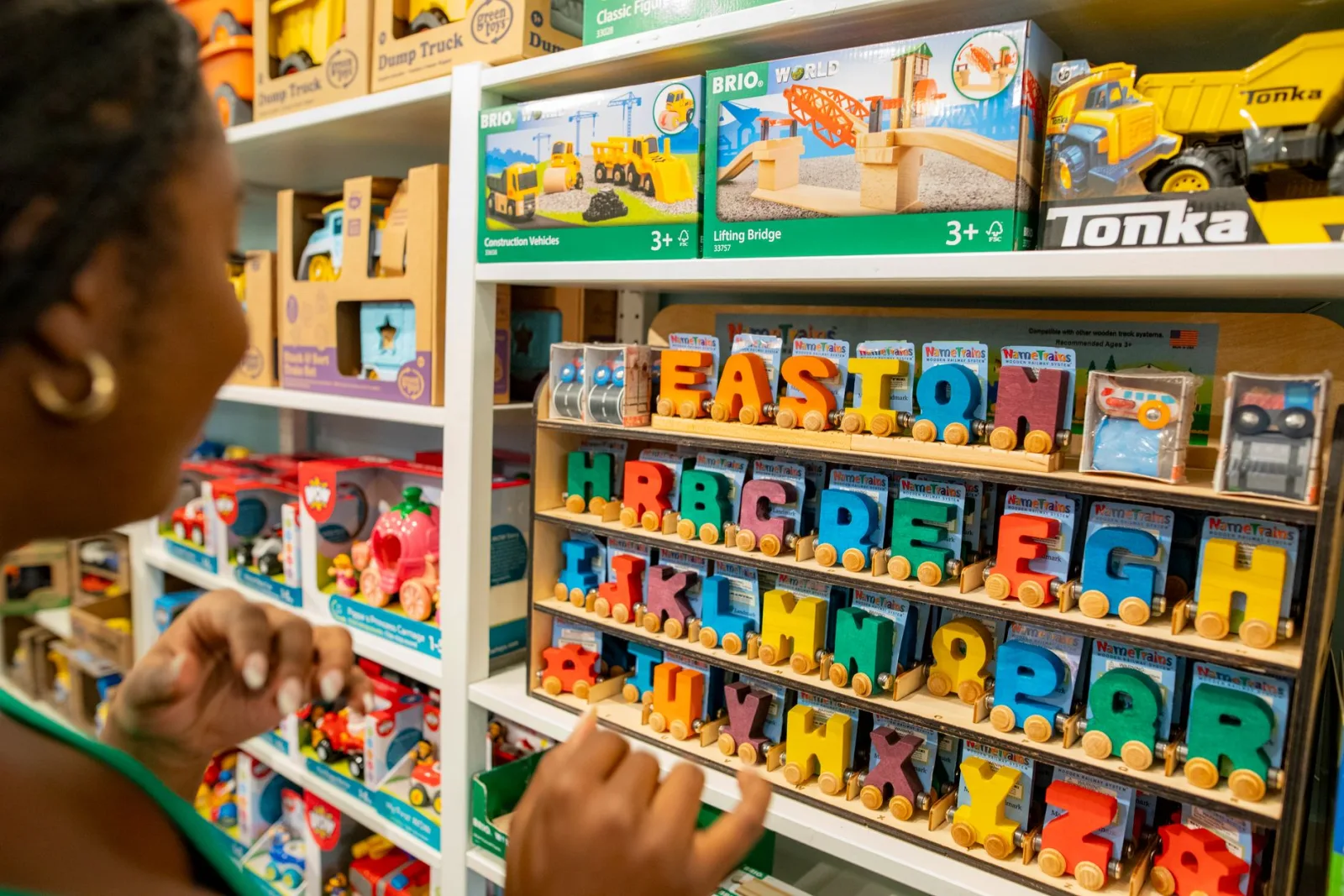
In toy imports, the deciding step is not the customs declaration but product safety and conformity inspection: conformity documents and the test report must match the imported model, and Turkish labelling and age warnings must be present on the product. If even one item out of dozens in a single container is missing its file, the whole shipment waits. ACR Gümrük Müşavirliği builds this file before the shipment leaves.
Toys are a difficult cargo at customs not because of their price or volume, but because of who uses them. Since the product ends up in a child's hands, it falls under product safety and conformity inspection: before a declaration can be filed, conformity documents, a laboratory test report where required, and label information all need to be ready. This is also the step that produces the most delay in toy imports — not the registration of the declaration, but getting the file through inspection.
The second reality is commercial. Demand for toys clusters around year-end and holiday periods. When ordering, production, sea freight, inspection and shelf distribution are all lined up back to back, a delay at any link in that chain can push the goods out of the season. A toy that misses its season does not spoil, but it does not sell either: it is usually written off to next year's stock, often at a discount. In this sector, the real cost is less the penalty and more the lost season.
On top of that comes item diversity. A single container can hold dozens of different models, age groups and tariff classifications; inspection and declaration run item by item while the container moves as one physical unit. The sections below cover where toys most often get stuck at customs. For the general process, see import customs clearance; for managing the document trail, see our foreign trade documentation tracking page.
Customs Clearance for Toy Imports — What We Pay Attention to in the Process
The season calendar: delay turns into lost sales, not penalties
In toys, demand clusters into specific periods — year-end and holidays — and the shelf calendar is fixed in advance by the retailer. The countdown does not start at customs; it starts much earlier: the sea transit time of a container leaving the Far East, the conformity inspection on arrival, sampling if required, completion of the laboratory process, and then warehouse pickup and store distribution all have to fit inside the same calendar. The most common mistake in this chain is never writing the inspection and testing stage into the shipping plan; a document gap discovered after the goods are already at sea can no longer save the season. The right approach is to settle, at the time of ordering, which products will require which inspection and conformity processes, prepare the file while the goods are still at sea, and handle only the transaction itself on arrival. Using a customs warehouse for goods that arrive early, ahead of the season, is also part of this plan.
Conformity inspection sits on the critical path of the shipment
Toys are subject to inspection and conformity processes that vary by product group; at the import stage, the product is required to demonstrate conformity with the relevant technical regulation. In practice this means the conformity declaration and technical file need to be ready, a test report needs to be submitted where required, and in some cases a sample is taken from the product. This process runs alongside declaration registration as a second track, and in most shipments it is the one that sets the critical path: even if the declaration side is complete, the goods are not released until the conformity side is closed. When and how the outcome closes depends on the product, the documents submitted and the administration's assessment; it cannot be guaranteed in advance. So the right message to give an importer is not "there won't be a problem" but "here is which document is needed for which product."
When the test report doesn't match the imported product
For toys, a laboratory report may be requested covering physical-mechanical properties (small parts, sharp edges, cords and strings, tension (pull-off) strength), flammability, and chemical content (headings such as heavy metals and phthalates). The real problem in the field is usually not whether a report exists, but which product it actually belongs to: the report the supplier sends often covers a similar model, an earlier batch, or a different colour/material variant. If the model code, product image and material description don't match the imported goods, the report is useless and the process has to be rebuilt from scratch — and that is usually the delay that puts the season at risk. Three things need to be checked: the list of models/variants the report actually covers, which product sample the report was issued against, and whether any material or design change has been made to the product since the report was issued. Once a supplier quietly revises a product, the report on file effectively loses its validity.
Turkish labelling, age marks and warning text
For toys, the label is not a formality — it is the carrier of the product's safety information: the age group mark, warning text appropriate to the risk the product carries (small parts, long cords, battery-containing products, and similar), Turkish descriptive and usage information, and the importer company's name and contact details are all expected together. This information has to be on the product itself or its packaging; a separate loose sheet is generally not accepted. A missing label has consequences on two fronts: it holds up the shipment at customs, and on the market side it makes the product unsellable and exposes the importer to market surveillance inspections. Completing labelling after the fact is sometimes possible at a customs warehouse, but that means extra handling, extra cost, and days eaten out of the season calendar. The cheap route is to make label content and language a supplier requirement at the ordering stage.
Tariff classification in multi-item containers: sets, battery-powered products and mixed packs
A toy container is not a single good — it is a catalogue of dozens of items, and items can fall under different tariff classifications. Three points are particularly tricky. First, sets: in packs where several products are sold together, classification can be assessed by the component that gives the set its essential character, which makes it impossible to decide just by reading the name on the packaging. Second, electrical/battery-powered toys: motorised, sound-emitting or remote-controlled products can be assessed separately both for tariff purposes and for the technical regulations they fall under; the type of battery included with the product can also create rules on the transport side. Third, mixed packs: gift sets containing stationery, textile or electronic components pull the rules of product groups outside toys into the shipment as well. The operational consequence is heavy: inspection and declaration run item by item, but the container is one physical unit — if one item's tariff or documentation is in dispute, forty problem-free items wait along with it. That's why the item list, invoice and packing list are matched against the same model codes before the shipment leaves.
Brand and intellectual property risk on licensed character products
A significant share of toys is tied to cartoon, game or film characters, and for these products the brand right is as valuable as the product itself. Following applications made by rights holders to the customs administration, shipments suspected of infringement can be held and the matter moved into a separate process — one that costs time even in cases where the importer turns out to be in the right. The real source of the risk is usually not bad intent but negligence: trusting a supplier's word that a product is licensed without seeing the documentation, packaging that carries a character image without a documented licence chain, or a licence that is limited to a specific country or sales channel. When ordering a character product, asking in writing for the scope of the licence and whether it covers import into Türkiye is far cheaper than defending the goods at the port.
How the Process Works
- 1Before ordering, an item list is drawn up: for each model, the age group, material, battery/electronic content and set structure are established so tariff and inspection scope can be assessed in advance.
- 2Which items fall under conformity inspection, and which documents and test reports will be required, is communicated to the supplier in writing at the ordering stage.
- 3The conformity declaration and test reports received from the supplier are matched item by item against the model codes and variants to be imported; unmatched items are separated out before the goods are loaded.
- 4Label content (age mark, warning text, Turkish usage information, importer details) is approved, and a decision is made on whether labelling will be applied at production or on arrival.
- 5Shipping documents are prepared: the invoice, packing list and item list are produced with the same model codes; origin and transport documents are drawn up to match.
- 6On arrival, the import declaration is registered; the conformity inspection process runs, with sampling and the laboratory stage followed up where required.
- 7Duties and fees are assessed and the goods are released; for batches that arrive ahead of the season or are still under inspection, the customs warehouse option is considered and onward distribution is planned.
Required Documents
- Product conformity declaration and technical file (for products carrying a conformity mark)
- Laboratory test reports — covering physical-mechanical properties, flammability and chemical content, matching the imported model/variant
- Item list by model code — matching the invoice and packing list one to one
- Label and packaging samples: age mark, warning text, Turkish descriptive information, and the importer's name and contact details
- For licensed character products, licence/trademark usage documents and written confirmation showing the scope of the chain
- For toys containing batteries, technical information showing the type of battery included, plus the declarations required on the transport side
- Proof of origin (e.g. EUR.1 / origin declaration) — for shipments requesting preferential tariff treatment
Factors That Determine Timing
- Whether the items fall under conformity inspection and which set of documents is required
- Whether the submitted test report matches the imported model and variant; if not, the need for a new testing process
- Whether sampling and a laboratory stage come into play
- The inspection line the declaration falls into and whether a physical inspection is required
- The number of items in the container and the range of different tariff classifications — item-by-item declaration preparation takes longer
- Whether labelling was applied at production or still needs to be completed on arrival
- Season intensity: increased demand on ports, warehouses and inspection capacity around year-end and before holidays
- Transport mode and destination: sea transit time, transshipment, port congestion and terminal scheduling
At a Glance
- Toys are subject to inspection and conformity processes that vary by product group; in imports, the critical path is set not by declaration registration but by the closing of the conformity inspection.
- A laboratory test report for toys may be required covering physical-mechanical properties, flammability and chemical content; a report that does not cover the imported model and variant is not considered valid.
- A toy label requires the age group mark, warning text appropriate to the product's risk, Turkish descriptive information and the importer's name/contact details together; a missing label makes the product unsellable on the market.
- In toy shipments, inspection and declaration run item by item, but the container moves as a single unit: one item's document or tariff issue holds up the other items in the same container too.
- In toy sets containing more than one product, classification can be assessed by the component that gives the set its essential character; the product name on the packaging is not on its own decisive for the tariff.
- Because demand for toy imports clusters around year-end and holiday periods, a delay in the order–production–shipment–inspection chain costs more as a lost sales season than as a penalty.
Related Services
Frequently Asked Questions
We have a test report, but the supplier has changed the product's colour and material — is the report still valid?+
A report is bound to the sample it was issued against and the list of models/variants it covers. If a colour, material or part change has been made, the report on file may no longer represent the imported product, and the process may need to be rebuilt. That's why we ask the supplier in writing for every post-order revision and compare it against the report's scope; a mismatch caught before the goods leave is far cheaper than one caught on arrival.
There are 40 items in the container and one item's documentation is missing. Can we take delivery of the others?+
Inspection and declaration run item by item, but the container is a single physical unit; it is normal for the whole shipment to wait until the missing item is resolved. Depending on the situation, moving the goods into a customs warehouse, a partial declaration, or separating out the problem item can come up as options; which one is possible depends on the condition of the goods and the administration's assessment, and it cannot be guaranteed in advance.
Can we apply the labels in Türkiye, or do they have to be printed at the factory?+
The age mark, warning text and importer information are expected to be on the product or its packaging. Labelling can sometimes be completed on arrival, at a customs warehouse, but that means extra handling cost and time. For a shipment that needs to make the season, the safest route is to make label content and language a condition of the order and have it applied at production.
Can you guarantee we will make the year-end holiday season?+
No — nobody can honestly guarantee that. The timeline depends on the product's inspection scope, how complete the documents are, whether sampling and a laboratory stage are needed, the inspection line, the transport mode and port congestion. What we can do is pull the risk forward: finish item-by-item document checks while the goods are still at sea, catch gaps before arrival, and keep a customs-warehouse fallback and an onward distribution plan ready if needed.
We import licensed character toys — is there a risk of being held up at customs?+
Following applications from trademark rights holders, shipments suspected of infringement can be held and the matter moved into a separate process. The way to reduce the risk is to rely on the supplier's documentation, not their word, for the licence: we ask in writing, at the ordering stage, which products, which countries and which sales channels the licence covers. Once the process starts, the outcome is decided by the administration and the rights holder.
Does anything extra come up for battery-powered and remote-controlled toys?+
Motorised, sound-emitting or remote-controlled products can be assessed separately on the tariff side, and alongside toy safety, technical regulations covering electrical products can also come into play. The type of battery included with the product can also create additional declaration and packaging rules on the transport side. We flag these items in the order list from the start so their document set is built separately from the rest.
This is our first toy import — can we build the process with you from the start?+
Yes, that's the most efficient way to begin: we assess tariff and inspection scope before ordering, based on the item list and sample images. ACR Gümrük Müşavirliği has been operating since 2003; we run import operations across Türkiye, principally through Mersin, Istanbul, Izmir, Gemlik, Mudanya and Antalya.
The Turkish original of this page was reviewed by our licensed customs broker. This translation is provided for information; the Turkish version prevails.
Let's Talk About Your File
Customs Clearance for Toy Imports — let us assess your shipment. Fill in the form and our team will get in touch with you.