
Sectors / Customs Procedures for Fresh Fruit and Vegetable Exports
Customs Procedures for Fresh Fruit and Vegetable Exports
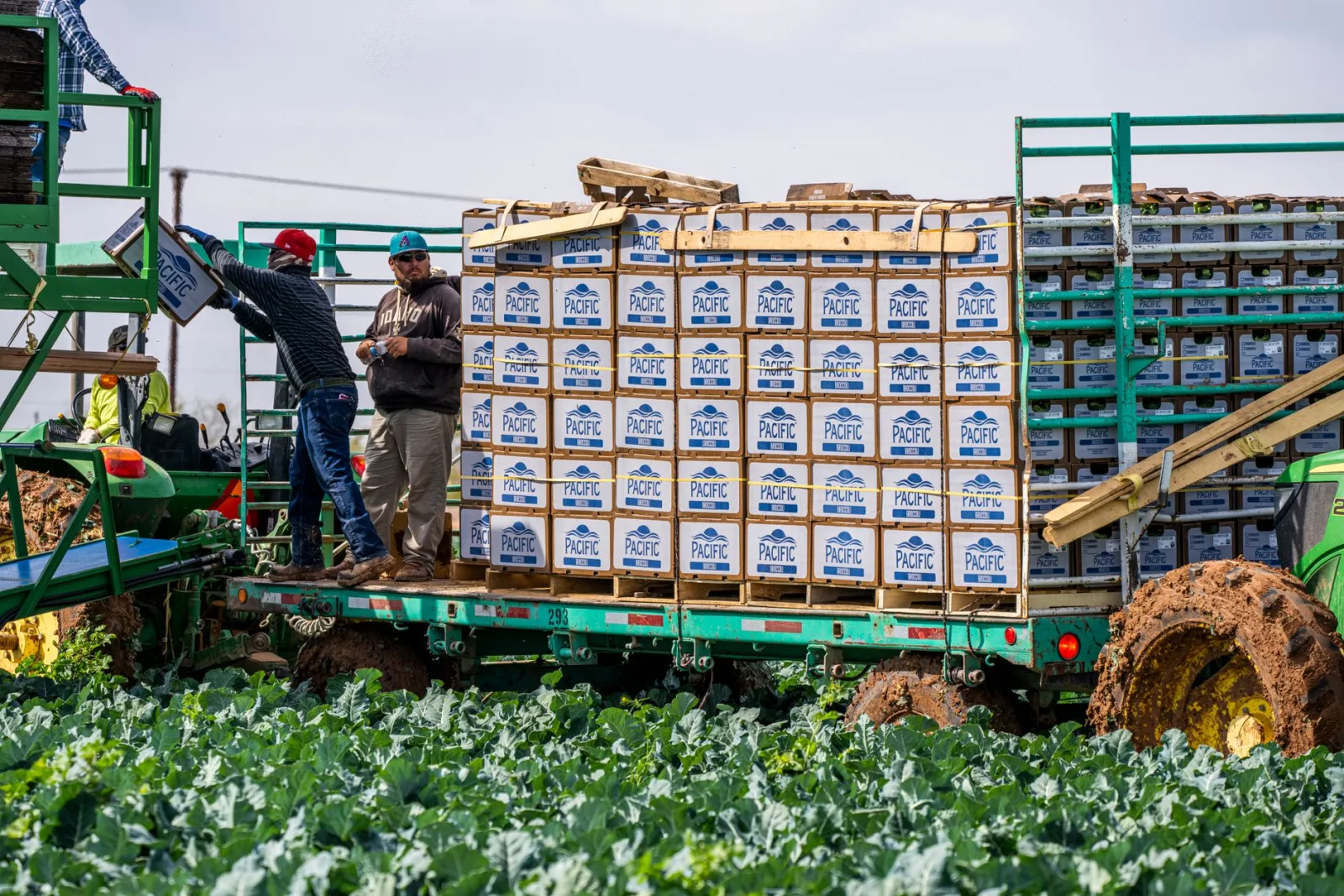
In fresh fruit and vegetable exports, three issues decide the customs side: planning the phytosanitary certificate and plant quarantine control around the harvest calendar, documenting the cold chain without a gap from pre-cooling through loading, and keeping the weight difference caused by shrinkage consistent between the invoice and the declaration. ACR Gümrük Müşavirliği runs these three together for shipments out of Antalya, Mersin, and Izmir.
What sets fresh fruit and vegetables apart from other export cargo isn't simply that the goods are perishable — it's that the clock runs out faster than the goods do. For cargo with no shelf-life pressure, a missing document gets completed the next day and the only thing lost is money. For tomatoes, peppers, citrus, or cherries, the same delay turns into shrinkage: the goods lose weight the longer they wait, drop a grade, and can fall below the quality threshold the buyer accepts. Half a day lost at customs isn't a paperwork problem here — it's commercial damage.
The second distinguishing factor is that the export process is tied to the harvest calendar. The shipment is built around the day the produce is picked; the exporter has no room to move that calendar forward or back. At the peak of the season, a large number of lots pile up at the same customs office and the same exit point within the same week. Missing documents, an incorrect GTİP (Türkiye's 12-digit tariff code) classification, or a late plant quarantine application cost the most precisely during this period, because the next available truck or vessel may not come until the following week.
For ACR Gümrük Müşavirliği, fresh fruit and vegetables shipped out of Antalya are one of our priority export sectors. The physical handling of the cargo (pre-cooling, reefer settings, pallet layout) and the declaration itself are not two separate jobs in this product — a decision made on the loading yard shows up directly in the declaration. For the general flow of the process, see our export customs clearance service; for vehicle and container planning, see our logistics and transport service.
Customs Procedures for Fresh Fruit and Vegetable Exports — What We Pay Attention to in the Process
Shrinkage and moisture loss: when departure and arrival weights don't match
Weight is not a fixed quantity for fresh produce. The product keeps respiring and losing moisture after harvest; defective units removed during sorting, shrinkage that occurs during transport, and re-sorting on arrival all cause the weight recorded at departure to differ from the weight the buyer measures on arrival. This difference is normal in itself; the problem is when the difference can no longer be explained by the documents. There's a distinction that often gets mixed up here: the gross weight on the declaration includes the crates, inner packaging, and pallet along with the product, while the invoice is usually issued on the net product weight. In other words, the two figures are not expected to match — what's expected is that the gap can be explained by the packaging and pallet tare, and that the gross–net–tare set is built on the same logic across the invoice, packing list, and declaration. When a shortage or surplus claim comes up after departure, what matters is which data the declaration was built from and where the weighing took place; the outcome can't be guaranteed in advance — the customs authority decides.
Fitting plant quarantine control and the phytosanitary certificate into the harvest calendar
In fresh fruit and vegetable exports, the phytosanitary certificate isn't a form you fill in and sign — it's the output of an inspection process: the product is examined from a plant-health standpoint before export, a sample is taken if needed, and the certificate is issued based on that examination's result. The possibility that a sample will be taken, or that further examination will be required, needs to be built into the shipment plan from the start, because the goods keep burning through their shelf life while the result is pending. There are also cases where the destination country requires an additional declaration or extra control on the certificate for specific products, and this requirement has to be confirmed with the buyer — not guessed. At the peak of the season, the rise in application volume turns this step into the shipment's tightest bottleneck; that's why the application needs to start the moment the packing plan is set, not once packing is finished.
The cold chain breaking at the moment of loading
The most fragile point of the cold chain isn't the transport itself — it's the loading yard. There's a common misunderstanding here: a reefer container or refrigerated vehicle unit is not designed to cool product that was loaded warm; it's designed to hold the temperature it was loaded at. The unit conditions the air, it doesn't lower the product's own core temperature. So a pallet loaded without pre-cooling won't reach the target regime during transport no matter how low the container is set — and setting it lower than needed brings its own risk of cold injury. In the same way, the door staying open too long during loading, pallets stacked in a way that blocks the unit's air circulation, or the container not being conditioned before loading are the moments the chain actually breaks. The buyer sees this interruption in the data log on arrival, and a dispute or price cut can follow even when the goods look sound on the surface.
The buyer country's residue and product rules: a lot cleared for one market can be held in another
Maximum residue limits for plant protection products and product-specific requirements vary by destination country; the same lot from the same orchard can pass cleanly into one market and exceed the threshold in another. That is why the analysis decision belongs to production, not to the shipment: the sample is taken before harvest or during packing, not after the goods are loaded, and the reporting time is built into the shipment calendar. There are three things the exporter needs to confirm in advance: which laboratory report the buyer accepts, whether the destination country applies an additional control to that product group, and which lot number the report will be tied to. A residue finding on arrival can affect not just that shipment but also the inspection frequency applied to that same exporter's later lots; this risk is managed through the exporter's supply-chain decisions, not by the customs broker.
Packaging, pallet, and lot traceability
In fresh fruit and vegetables, packaging is inspected as part of the product, not as mere transport material. Having the product name, class, origin, and lot number on the box label is expected under the buyer country's marketing standard, and the label information must not contradict what's on the documents. When the box count on the pallet list and the net weight on the packing list aren't tied to the same lot number, it becomes hard to show which pallet came from which orchard during inspection or on arrival — and that's the first thing asked when a residue or quality complaint comes up. If wooden pallets are used, a separate requirement applies: the pallet itself counts as packaging material, and many countries require ISPM-15-marked, heat-treated wood on import. An unmarked pallet can stop a shipment on arrival even if the product itself is flawless.
Setting the exit point and vehicle plan together at the peak of the season
At the peak of the season, it isn't only the customs office that gets busy — finding a refrigerated vehicle, getting a terminal appointment, and finding a plugged reefer slot all get harder in the same week. In fresh produce, these three bottlenecks feed off each other: the vehicle arrives late, so loading slips into the evening, the declaration slips to the next day, the vessel cut-off is missed, and the goods wait for next week's service. The decision needs to be made when the packing plan is drawn up, not on the day of shipment: which product goes from which exit point, by which mode of transport. Nearby markets rely on refrigerated road transport, distant markets rely on reefer containers, and the two don't share the same documentation timeline. ACR mainly runs this product group out of Antalya, Mersin, and Izmir; because transport planning is coordinated with customs clearance on the same team, the vehicle, declaration, and plant quarantine timelines can be set on a single plan.
How the Process Works
- 1The product, variety, and target market are confirmed; the phytosanitary, residue, and packaging/labelling requirements the destination country asks for that product group are confirmed in writing with the buyer.
- 2GTİP classification is determined (species, fresh/chilled distinction, and any product-specific subheading), and registration with the relevant Exporters' Association is planned.
- 3The harvest, sorting, and packing calendar is merged with the customs and vehicle/vessel calendar into a single plan; the lot number is defined at this stage.
- 4The plant quarantine application is submitted; the control step and, if needed, sampling are added to the calendar, and the phytosanitary certificate process is carried out.
- 5Pre-cooling is completed; the reefer container or refrigerated vehicle is conditioned before loading, the pallet layout is planned so it doesn't block air circulation, and the time the door stays open is kept short.
- 6The invoice, packing list, and pallet list are produced from the same data; the gross, net, and tare breakdown is confirmed against the box and pallet weights, and the label information is checked against the documents.
- 7The export declaration is registered and the process proceeds according to the inspection line; after departure, the document set is completed for closing the declaration, the VAT refund, and the incentive file.
Required Documents
- Phytosanitary certificate — together with any additional declarations the destination country requires
- Plant quarantine application and control records
- Residue analysis report — where required by the buyer or the destination country, tied to the lot number
- Pallet list showing the lot number, box count, and packaging type per pallet
- Packing list — showing the gross, net, and tare breakdown by box and pallet weight
- ISPM-15 mark / heat-treatment record, if wooden pallets are used
- Cold chain records: pre-cooling log and, if the buyer requires it, temperature data logged throughout transport
- Depending on the destination market, A.TR movement certificate, EUR.1, or Certificate of Origin
- Registration and approval with the relevant Exporters' Association
Factors That Determine Timing
- Season timing: the customs office, laboratory, and terminal all get busy at the same time at the peak of harvest
- Whether plant quarantine control involves sampling, and how long the analysis result will take
- The inspection line the declaration falls into, and the conditions for opening/re-closing the cargo if a physical inspection is required
- Whether the destination country requires additional control, an extra declaration on the certificate, or an analysis report for that product group
- Transport mode: refrigerated road vehicle for nearby markets, or reefer container for distant markets
- Availability of refrigerated vehicles and reefer containers, and plugged-slot capacity at the terminal
- Congestion at the exit point and port/border crossing, terminal appointment, and vessel cut-off time
- Distance from the packing facility to the exit point, and the pre-cooling capacity of the loading yard
At a Glance
- A reefer container or refrigerated vehicle unit is designed to hold the temperature it was loaded at, not to cool the product; that's why fresh fruit and vegetables loaded without pre-cooling won't reach the target regime during transport.
- In fresh fruit and vegetable exports, the phytosanitary certificate is the output of a plant-health control process carried out before export; the possibility of sampling during that control directly affects the shipment calendar.
- The exit and arrival weights of fresh produce can differ because of moisture loss and shrinkage; what matters isn't the absence of a difference but whether the difference can be explained by the documents.
- The gross weight on the export declaration includes the box, inner packaging, and pallet; the invoice is usually issued on net product weight, so the two figures are not expected to match — the gap is expected to be explained by the tare.
- For fresh fruit and vegetables, residue limits and packaging/labelling requirements vary by destination country; a lot cleared for one market may not be accepted in another.
- In fresh fruit and vegetable shipments, wooden pallets count as packaging material, and many countries require ISPM-15-marked, heat-treated wood on import.
Related Services
Frequently Asked Questions
Can you guarantee you'll make the shipment work in the busiest week of the season?+
No — nobody can honestly guarantee that. The timeline depends on the inspection line, whether plant quarantine control involves sampling, the transport mode, vehicle and reefer availability, the terminal appointment, and the vessel cut-off time, and some of these are outside our control too. What we can do is start the plant quarantine application and document set the moment the packing plan is set, so the wait itself becomes predictable.
Can't we just take the product out of the cold store and load it straight into the container?+
No. A reefer unit isn't designed to cool the product — it's designed to hold the temperature it was loaded at; it conditions the air, it doesn't lower the product's own core temperature. A pallet loaded without pre-cooling won't reach the target regime during transport no matter how low the container is set. The container also needs to be conditioned before loading, pallets need to be arranged so they don't block air circulation, and the time the door stays open needs to be kept short.
The weight we measure at departure doesn't match what the buyer measures on arrival — does that cause a problem for the declaration?+
This difference is normal in fresh produce because of moisture loss and shrinkage; the problem is only when the gap can't be explained by the documents. The gross weight on the declaration includes the box, packaging, and pallet, while the invoice is usually issued on net product weight — the two aren't expected to match, but the gap should be explained by the tare figures. We produce the invoice, packing list, and pallet list from the same data and record where the weighing took place. If a dispute comes up, the outcome is at the customs authority's discretion and can't be guaranteed in advance.
When should we apply for the phytosanitary certificate?+
Not after packing is finished — the moment the packing plan is set. The certificate is the output of a control process: the product is examined, a sample is taken if needed, and the result is issued based on that. If you don't build the possibility of sampling into the calendar from the start, the goods burn through shelf life while waiting for the result. Application volume also rises at the peak of the season, which makes this step the tightest bottleneck for most shipments.
Who asks for the residue analysis report, and do we need one for every shipment?+
Not every shipment, but deciding at the moment of shipment is too late. The report is either required by the buyer under contract or by the control the destination country applies to that product group; limits and conditions vary by country. The sample needs to be taken before harvest or during packing, the report needs to be tied to the lot number, and which laboratory the buyer accepts needs to be confirmed in advance.
We use wooden pallets — does that bring up an extra requirement?+
It can. The pallet itself counts as packaging material, and many countries require ISPM-15-marked, heat-treated wood on import. An unmarked pallet can stop a shipment on arrival even if the product itself is flawless. You need to check before loading whether the destination country enforces this requirement and whether it accepts plastic pallets.
Do you handle fresh fruit and vegetable exports outside Antalya too?+
Yes. We mainly run this product group out of Antalya, Mersin, and Izmir, and we operate across Türkiye, including Istanbul, Gemlik, and Mudanya. Which exit point to use is decided together based on the market, transport mode, and terminal congestion at the time. Knowing this product's seasonal rhythm is half the job: we set the pre-cooling schedule and the residue analysis application around the harvest period in advance, factoring in the rise in application volume at the peak of the season.
The Turkish original of this page was reviewed by our licensed customs broker. This translation is provided for information; the Turkish version prevails.
Let's Talk About Your File
Customs Procedures for Fresh Fruit and Vegetable Exports — let us assess your shipment. Fill in the form and our team will get in touch with you.